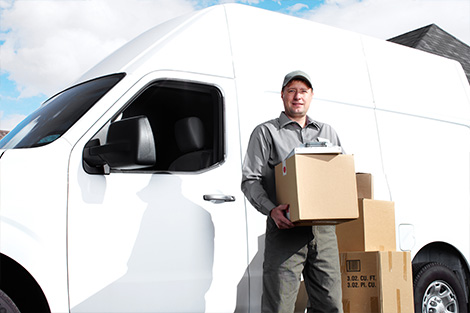
Fulham Man with Van for practical moving and collection work in Fulham

Fulham Man with Van services give households and businesses in Fulham a straightforward way to move smaller loads, transport individual items, and manage day-to-day collection tasks with a vehicle and loading support sized for the job. The service suits moves that do not need a full removals operation, while still needing careful handling, route planning and a reliable arrival window. Our work can include furniture transport, local home moves, appliance collection, and other light removals carried out with attention to access and item safety.
If you need help with a flat move, a single bulky item, or a short-notice collection, we can usually shape the work around the load rather than forcing it into a standard package. A man and van approach is often useful when the priority is flexibility: one or two loaders, the right size of vehicle, and a clear plan for moving your items efficiently. It is a practical option for spaces where stairs, parking or tight access matter.
For a clearer idea of what we can help with, you can explore the core service pages or send us the basic details of the job. If you are comparing options, it is worth looking at the pages on our main man with van service and pricing and quotes to understand the range of moving work and the kind of information that helps shape a quotation.
Local transport for moves, collections and small removals
Our Fulham moving support is best suited to jobs where items need to be loaded, protected and delivered without the scale of a full house removal. That can mean a studio flat, a few rooms of furniture, or mixed items from different addresses. The emphasis is on sensible vehicle use, good packing judgement, and efficient handling so that the move is organised from the first lift to the final placement. The service can be used for domestic and light commercial jobs where a tidy, direct move is more important than a large crew.
We can also help with commercial moves when the load is manageable and the aim is to move office contents, stock, or equipment without unnecessary disruption. For some jobs, home moves and house removalists pages may offer a better match if the scale is larger or more structured. The right choice depends on how much needs moving, whether furniture needs dismantling, and how easy it is to load from the property.
Typical jobs that fit this type of service include:
- single-item or multi-item furniture transport
- small flat or studio moves
- student or shared-house moves
- pickup and delivery from shops, storage units or private addresses
- light office or workspace relocations
What the moving load can include

A van-based move is often shaped by the type of items, not just the number of boxes. Sofas, beds, desks, wardrobes, appliances and framed items all need different handling. We plan around the shape, weight and fragility of the load so that items are stacked and secured sensibly in transit. That can reduce the risk of scuffs, movement or awkward re-handling at collection and delivery points.
Where needed, the work can be combined with furniture pick-up for individual pieces or with fridge and appliance removal when white goods need careful moving. Mattress and sofa disposal may suit items being removed rather than delivered, while moving truck information may be relevant when the load requires a different vehicle size. Each page reflects a slightly different kind of moving need.
Good preparation does not need to be complicated. Clear access, grouped items and accurate descriptions of bulky pieces help create a more reliable quotation. If you already know there are awkward stair turns, tight communal hallways or limited parking, it is better to mention that early than to discover it on the day. A brief list of large items and the postcodes involved is usually enough to start a proper conversation.
Home moves handled with care and sensible planning
Many customers use a man with van service for home moves because it gives them the flexibility to move at their own pace without paying for more vehicle capacity than they need. That can work well for one-bedroom moves, temporary accommodation changes, or partial moves where only selected furniture and boxes are being taken. The main aim is to keep the process calm, organised and manageable, especially when timings or access are tight.
When a home move needs packing support before loading, the packing and unpacking services page may be useful, particularly where fragile items or mixed room contents need more structure. If you are moving a business address rather than a home, the office relocation services page explains another type of move that can involve desks, files, IT equipment and workplace furniture. Choosing the right page helps match the job to the right level of support.
For a smoother move, it helps to think about the order in which items should leave the property, which boxes need to be kept upright, and whether any furniture should be disassembled before arrival. These are small details, but they make the difference between a rushed lift and a tidy, controlled move. Good planning usually saves time at the property.
Office relocation support for compact business moves
Small office relocations are often about coordination as much as carrying. Desks, chairs, archive boxes and modest office equipment need to be moved in a way that keeps the workspace functional and avoids unnecessary interruption. A van-based relocation can be a sensible choice when the contents are too much for a car but do not justify a large moving operation. It also helps when items need to be moved in stages between rooms, floors or nearby premises.
Some businesses need a cleaner and more discreet handover of materials during a move. In those cases, confidential shredding can be relevant where documents are no longer required, while insurance and safety information may help reassure customers who want to understand how the work is approached. Where a move involves mixed tasks, separating disposal, transport and packing can keep the overall plan more manageable.
Useful information for office relocation quotes often includes the number of workstations, whether there are lifts or stairs, and whether the move is happening inside the same building or across Fulham and nearby routes. We can then consider the loading sequence, how long access may take, and whether anything fragile needs to be isolated during transport. That kind of detail makes the job easier to organise sensibly.
Collections, pick-ups and disposal tasks

Not every booking is a move from one home to another. Some are collection jobs for furniture, appliances or mixed items that need to be removed from a property, storage unit or retail address. A man with van setup is often well suited to those tasks because it can bridge the gap between a simple pickup and a heavier disposal operation. The service can be shaped to suit the item, the route and the access at each end.
If the main need is disposal rather than delivery, there are focused pages for fridge and appliance removal, mattress and sofa disposal and hazardous waste disposal. Each reflects a different kind of work and different handling requirements. Items that may be contaminated, heavy, awkward or regulated should always be described clearly before booking, so the right approach can be discussed in advance.
When you are arranging a collection, think first about what will be taken, where it is located and whether any disassembly is needed. If a sofa must be moved through a narrow stairwell or a fridge is in a basement, that changes the plan. A precise description lets us judge the labour involved and helps avoid last-minute confusion when the van arrives.
Vehicle, access and loading considerations
The success of a small move often depends on practical details rather than distance alone. Parking, doorway width, stair access and lift availability can all affect how long loading takes and how the vehicle should be positioned. In a place such as Fulham, where properties can range from compact flats to larger terraced homes, the right approach is usually to match the vehicle and loading method to the building rather than assume every address is the same.
Our man and van page explains the broader service type, while removal truck hire may be useful for customers who are comparing different vehicle options. If your move is likely to involve many boxes or several bulky pieces, a larger vehicle may make more sense; if it is a lighter load, a smaller van can be the more efficient and economical fit. The key is to match capacity to the actual job.
Because every property is different, access details are more important than assumptions. A ground-floor pickup with parking nearby is a very different task from carrying furniture down several flights of stairs. Tell us what the entrances are like, where the vehicle can stop, and whether there are any building restrictions. Those facts are the basis for a better quotation and a more workable plan.
Pricing factors and how quotations are usually shaped

Quotation work for a man with van service is usually based on the nature of the job rather than a one-size-fits-all figure. The main factors are the volume of items, the type of load, collection and delivery locations, and any access issues that add time or handling. A straightforward local pickup can be very different from a partial flat move with stairs, parking restrictions and multiple bulky items. Clear information helps keep the quote sensible and proportionate.
Our pricing and quotes page can help when you want a better understanding of the information typically needed. If you are ready to arrange a move or collection, the contact us page is the best place to make the first step. For some customers, book online may also be a convenient way to begin, especially when the details are already known and the job is straightforward.
Two simple things often improve quotation accuracy: a short list of the largest items, and any practical notes about access. If there are tight corners, no lift, shared entrances or time-sensitive building rules, say so early. That allows the work to be planned around the real conditions, not assumptions.
About Fulham
Fulham is a district in west London, set on the north bank of the River Thames and long associated with riverside walks, Victorian streets and a strong mixture of residential and sporting landmarks. Its name is commonly linked to the historic manor recorded in medieval times, and the area later developed into a densely built urban district as London expanded westward. Today Fulham is known for a varied streetscape that includes terraces, mansion blocks, local shopping parades and pockets of open space, with the river providing a natural edge along part of its southern boundary. Bishops Park and Fulham Palace Gardens give the area a greener character near the Thames, while the presence of Fulham Palace reflects a much older ecclesiastical history. The Palace itself has connections to the Bishops of London and the surrounding grounds contain traces of earlier landscapes and garden design. Fulham Broadway and nearby centres provide transport links and commercial activity, while Parsons Green adds a distinct village-like character with its own common. The area also sits close to Stamford Bridge and Craven Cottage, linking it to two major football grounds that are familiar points of reference for residents and visitors alike. Over time, Fulham has become a place where historic architecture, waterways, public parks and everyday city living sit side by side, giving it a layered identity within the broader borough of Hammersmith and Fulham.
Why this service suits smaller and more precise moves
A van-based moving service is often most useful when the job needs flexibility rather than scale. If you are moving selected rooms, sending items to storage, or collecting furniture from different addresses, the work can be arranged in a way that keeps time and handling under control. The value lies in being able to adapt the load, the route and the sequence of work without overcomplicating the day. That is especially helpful where items are not all going to the same place.
For customers comparing service types, it can help to think about the end result you need. About us gives broader background on the business, while recycling and sustainability may be useful if you want to understand how reusable or disposable items are approached. If the job is a straightforward collection, a focused removal page may be enough; if it involves a mix of moving and disposal, it may be worth separating those tasks into distinct parts of the plan.
Sometimes the simplest description is the most useful: one van, the right loading help, and a route that gets your items moved without unnecessary handling. That is the principle behind many of the jobs we handle. If the load is clear and the destination is known, the move can usually be organised with far less stress than people expect.
Preparing the details for a clear quotation

When you ask for a quotation, the most useful information is practical and specific. A brief list of what needs moving, the collection and delivery points, and any awkward access points gives a much better basis for planning than a general description. If there are stairs, basement storage areas, long carries from parking, or items that need disassembly, include that in the first message so the work can be assessed accurately.
You do not need to write a long explanation, but it helps to group the details sensibly. Mention the largest items first, then add boxes, fragile pieces and anything with special handling needs. If a job includes disposal as well as transport, say which items are being delivered and which are being removed. For a straightforward way to move ahead, send the basics and ask for a quote. If you already know the move date, include that too.
The final step is simple: send the job details and request a quotation. If you want to compare service options before doing that, review the relevant pages and then get in touch when you are ready. We can then look at the moving load, the access conditions and the route, and shape the quotation around the real work involved.